
Aso Oke is not just fabric—it is history, artistry, and identity woven into every thread. For centuries, this handwoven textile has been the pride of the Yoruba people of southwestern Nigeria. Today, it continues to inspire global fashion while finding new expression in sustainable, handmade creations like Monijo Garnet bags.
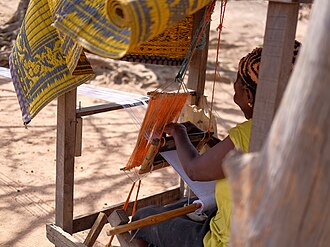
By Ayodele Adeniji – Own work, CC BY-SA 4.0
A Legacy of Craftsmanship
The origins of Aso Oke date back to the 15th century, when Yoruba weavers in towns such as Iseyin, Ede, and Okene perfected the art of narrow-loom weaving. Each strip of cloth was painstakingly created by hand, then stitched together to form garments reserved for royalty, chiefs, and dignitaries.
Every variety of Aso Oke carried meaning:
- Sanyan, woven from wild silk and cotton in earthy tones, symbolized dignity and wisdom.
- Alaari, in rich crimson or purple, represented prosperity and celebration.
- Etu, indigo with fine white stripes, embodied sophistication and quiet strength.
- Ofi, a luxurious silk weave, was reserved for high-status occasions.
These fabrics became the foundation of Yoruba ceremonial dress, Agbada, Gele, Iro, and Buba, garments that still define cultural pride today.
Sustainability Woven In
Unlike mass-produced textiles, Aso Oke is still handwoven in small batches by local artisans. This traditional process is inherently sustainable: it consumes less energy, avoids harmful chemicals, and produces minimal waste. It is a green, vegan-friendly fabric that respects the earth while preserving cultural heritage.
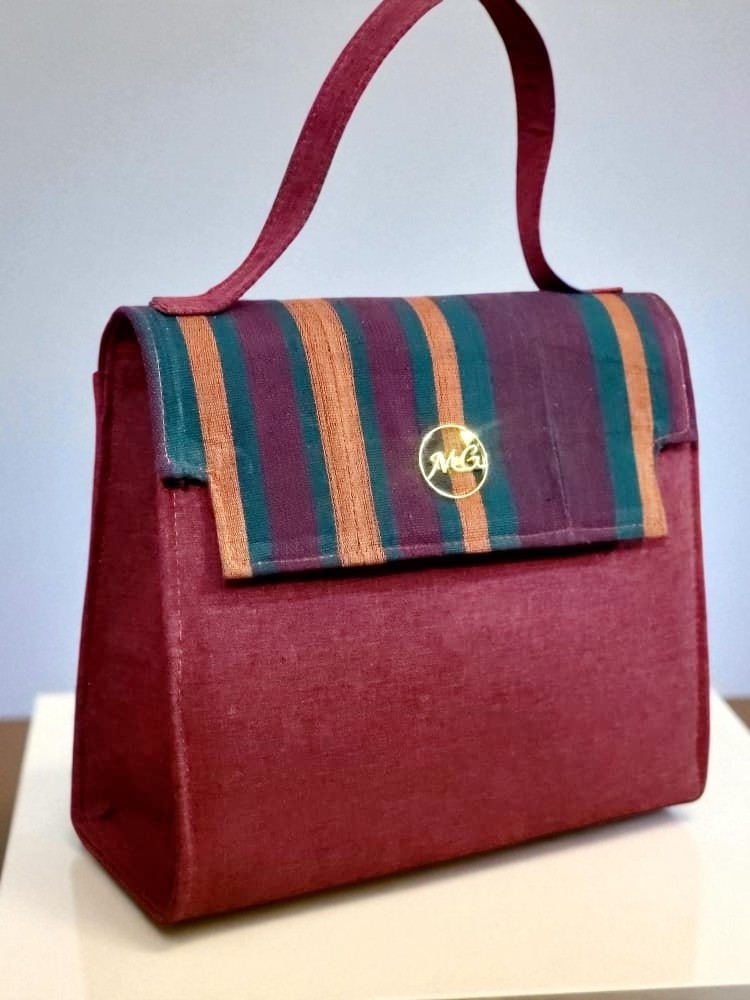
At Monijo Garnet, we honor this tradition by transforming Aso Oke into handmade bags. Each piece is crafted with care, supporting artisan livelihoods and sustaining skills passed down through generations. By choosing Aso Oke, our customers are not just buying a bag, they are investing in jobs, ethical production, and corporate social responsibility.
A Fabric for the Future
What makes Aso Oke remarkable is its versatility. Once reserved for ceremonial attire, it has now been reimagined for the modern world. Designers are using it to create fashionable pieces like cargo pants, kimonos, tops, jackets, and even tailored Western suits. Its bold textures and striking patterns make it a natural fit for high fashion, while its durability ensures it remains timeless.
Monijo Garnet bags are part of this evolution. By pairing traditional handwoven fabric with contemporary design, we create accessories that are both stylish and meaningful. Each bag tells a story of heritage, sustainability, and modern elegance.
Carrying Culture Forward
Aso Oke is more than cloth, it is storytelling through artistry. From Yoruba royal courts to today’s global fashion scene, it has carried with it the values of resilience, artistry, and identity. At Monijo Garnet, we are proud to carry this legacy forward, proving that heritage and ethical craftsmanship can coexist beautifully in modern luxury.
When you carry a Monijo Garnet bag, you carry more than an accessory. You carry history, culture, and a commitment to a greener, fairer world.
This Black History Month, honour legacy and empower artisans by gifting a handmade Monijo Garnet bag woven from heritage. Check out the collection here
 Monijo Garnet
Leave a comment